

5 Best Herbal Teas for Relaxation and Calm
Life can be busy, stressful, and full of demands. For many people, finding moments of calm and relaxation is essential to daily wellness. One of the easiest, gentlest ways to support your body and mind is with herbal tea. A warm cup of tea can help you unwind, soothe anxiety, and prepare for sleep.
In this article, we explore some of the best herbal teas for relaxation and calm. You’ll learn how they work, how to enjoy them, and why this simple drink is loved around the world.
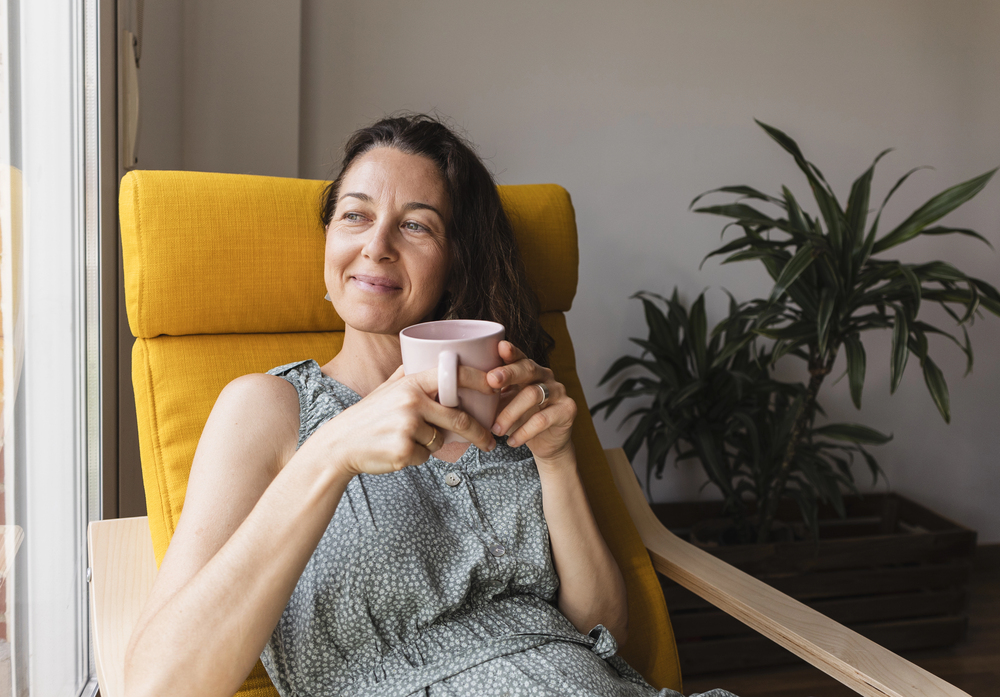
What Is Herbal Tea and Why Is It Good?
Herbal tea is made from herbs, flowers, seeds, or roots — not actual tea leaves from the Camellia sinensis plant. That’s why many herbal teas are naturally caffeine-free, making them perfect for a calming beverage any time of day, especially at teatime or before bedtime.
Herbs have been used for centuries in cultures around the world to help relax, support digestion, reduce stress and anxiety, and even help people drift into restful sleep. Drinking tea can become a ritual of calm — a moment just for you.
If you’re unsure about proper steeping times or water temperature, our How to Brew Guide explains everything step by step.
How Tea Supports Relaxation
Natural Soothing Compounds
Herbs contain natural compounds that can help:
- Chamomile has gentle compounds that may help calm the nervous system.
- Lavender is known for its floral aroma and calming properties.
- Lemon balm may help reduce anxious feelings and promote calm.
- Peppermint can soothe muscles and improve digestion.
- Green tea contains l-theanine, an amino acid linked to gentle relaxation.
These compounds don’t work like medicine, but they may help reduce the body’s stress response and create a feeling of calm.
The Ritual of Tea
Beyond the chemistry, the act of drinking tea itself can be calming. Taking a moment to slow down, breathe, and focus on a warm mug gives your mind a chance to relax — even before the herbs begin to take effect.
Best Herbal Teas for Relaxation
Here’s a deeper look at the best herbal teas that can help soothe your body and mind.
Chamomile Tea — Timeless Tea for Calm
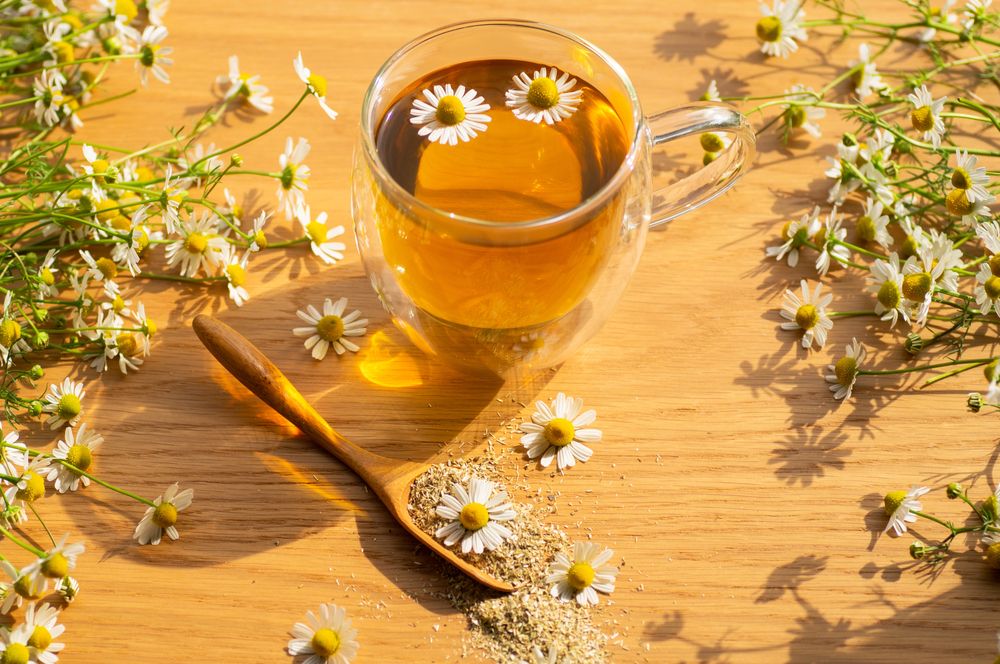
Chamomile tea is one of the most popular herbal teas for relaxation. Its soft, floral taste is soothing, and many people drink it in the evening to prepare for sleep.
Benefits:
- May help reduce stress and mild anxiety.
- Can support better sleep quality.
- A gentle, caffeine-free option.
How to Brew:
Use 1–2 teaspoons of dried chamomile per cup of hot water. Let it steep for 5–7 minutes for the best calming effect.
Chamomile is often used in nighttime tea routines because of its naturally relaxing qualities.
Lavender Tea — Floral Tea to Relax
Lavender tea offers a wonderfully aromatic experience. Its soft floral notes make it a favorite choice for people who want calm and stress relief without caffeine.
Benefits:
- Aroma itself may help promote relaxation.
- Smooth floral taste with natural soothing effects.
How to Brew:
Steep 1 teaspoon of dried lavender buds in hot water for 5 minutes. The scent alone can help calm your thoughts.
Lavender pairs beautifully with chamomile and other calming herbs in traditional herbal blends.
Lemon Balm Tea — Bright, Calming Tea
Lemon balm tea has a fresh, citrusy flavor that many people enjoy during the day or in the evening.
Benefits:
- May reduce feelings of tension and nervousness.
- Supports a calm state without sedation.
- Has a bright, uplifting taste.
How to Brew:
Steep about 1 teaspoon of dried lemon balm leaves in hot water for 5–10 minutes.
Lemon balm is often included in relaxation blends because it supports calm without causing drowsiness.
Peppermint Tea — Refreshing Soothing Tea
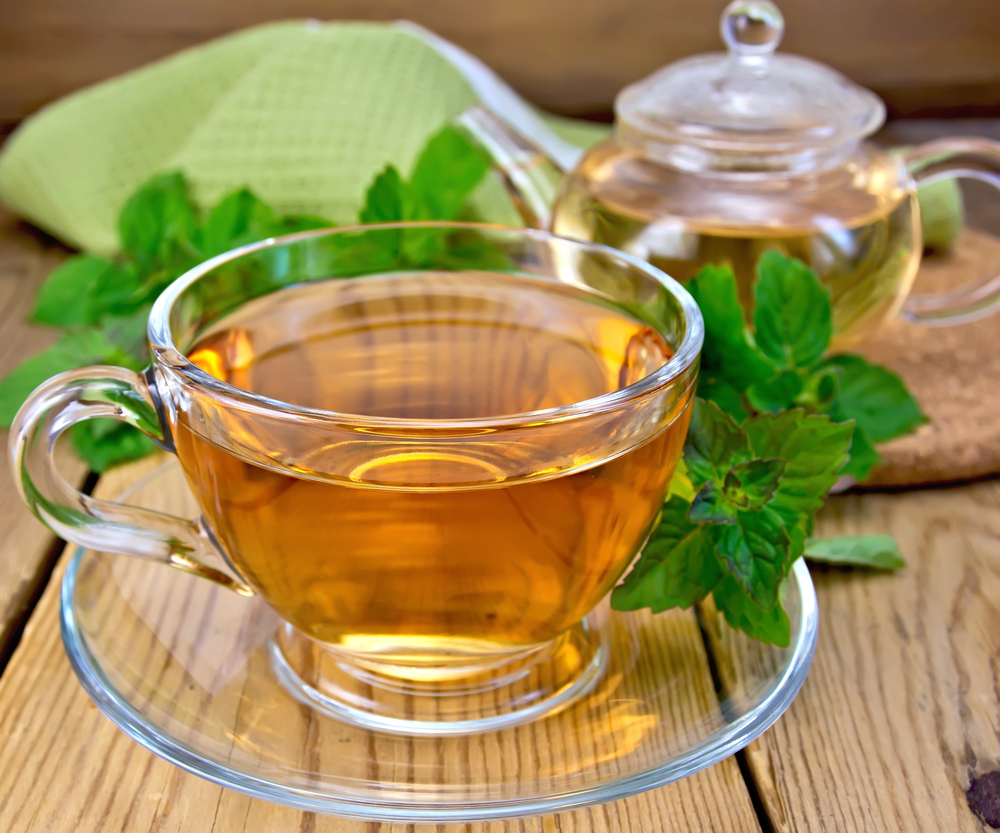
Peppermint tea is known for its cool, refreshing taste. While not strong for sleep, it’s excellent for relaxation because it may help ease muscle tension and support digestion — which in turn helps your body feel more comfortable and calm.
Benefits:
- Soothes the stomach and digestion.
- Has a refreshing, cool flavor.
- May support overall relaxation.
How to Brew:
Use 1 teaspoon of dried peppermint leaves per cup of hot water. Steep for 5 minutes.
Peppermint tea is ideal after meals or during the afternoon when you want something calming but refreshing.
Herbal Tea Blends — Balanced Tea for Calm
Some of the best herbal teas combine multiple calming herbs. These blends may include chamomile, lavender, lemon balm, passionflower, valerian root, or other herbs known for relaxation.
Benefits:
- A balanced effect from multiple calming herbs.
- Can be tailored for daytime calm or bedtime relaxation.
- Aromatic and comforting.
If you’re exploring different flavors and functional blends, you can browse the Sip Herbals to discover options that fit your routine.
Tea for Anxiety and Mental Health
While herbal tea is not a replacement for professional care, it can be a supportive part of your wellness journey. If you have questions about ingredients or preparation, visit the Sip Herbals FAQ page.
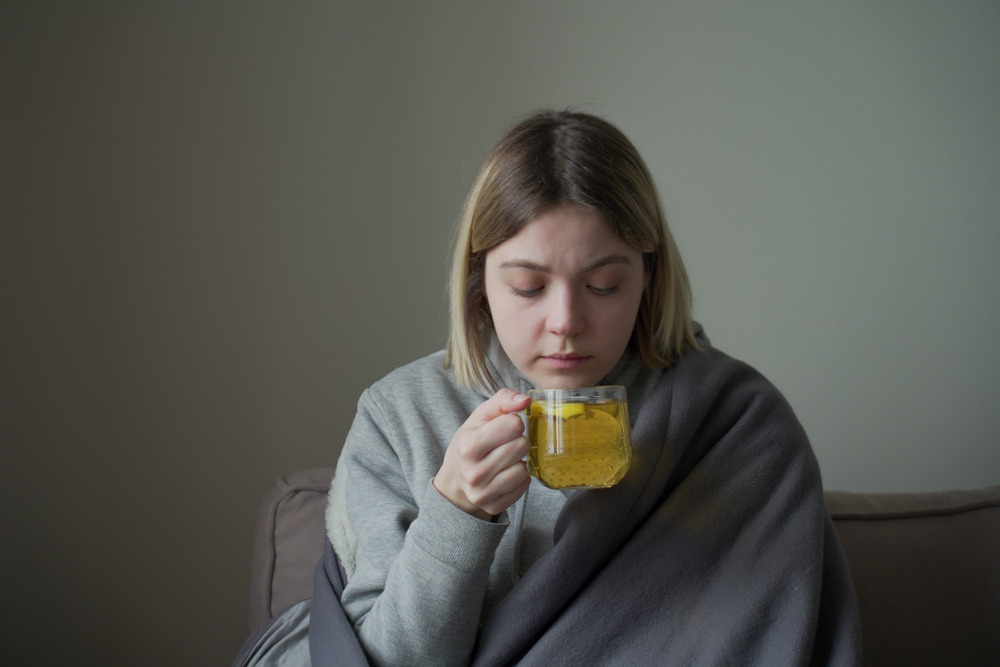
Tea helps many people by:
- Calming racing thoughts.
- Supporting routines that improve sleep.
- Offering comforting rituals during stressful moments.
- Helping regulate the body’s stress response.
Final Thoughts: Make Tea Part of Your Calm Routine
A warm cup of tea can be more than a drink — it can be a small moment of peace in your day.
To feel calm, relaxed, and ready for sleep, try experimenting with:
- Chamomile or lavender in the evening.
- Lemon balm or peppermint during the day.
- Comforting herbal blends when you want extra support.
No matter which tea you choose, a little tea time can go a long way in helping you feel more calm and relaxed. Sit back, breathe deeply, and enjoy the gentle effects of nature’s best herbal teas.

Orleatha Smith is a Master Herbalist and cofounder of Sip Herbals, with more than a decade serving the health and wellness community through science grounded, inclusive wellness education. She holds a Master’s Degree in Education, a biology teaching credential, and brings a rare mix of experience as a holistic lifestyle coach, SaaS developer, and organizational development specialist. Her work and insights have been featured in outlets including First for Women Magazine, The Los Angeles Times, and WebMD, alongside podcast and television appearances. Orleatha writes to help readers make practical, evidence informed wellness choices that fit real life.