

Best Herbal Tea for Inflammation and Natural Healing
Tea has long been used as a simple drink for comfort and healing. Many cultures rely on herbal tea to support the body during illness and stress. Today, research shows that certain teas contain anti-inflammatory compounds that may help reduce inflammation and support natural healing.
Inflammation is a natural response in the body. It helps fight infections and repair damage. Yet when inflammation stays for a long time, it becomes chronic inflammation. This condition can increase the risk of health problems such as arthritis, heart disease, and other inflammatory diseases.
This is where tea for inflammation can help. Many teas contain plant compounds that work as antioxidant and anti-inflammatory agents. These natural compounds may help fight inflammation, support overall health, and ease symptoms like joint pain or digestive discomfort.
A wide range of types of tea exist. Some come from tea plants such as green tea and black tea, while others come from herbs, spices, and roots. Herbal tea options often contain powerful anti-inflammatory ingredients that support wellness.

If you want a natural way to support healing, the best tea choices below may help lower inflammation and improve daily wellness.
For a deeper look at the general health benefits of tea, you can read this guide on health benefits of herbal tea.
Herbal Tea and Anti-inflammatory Benefits for Inflammation
Herbal tea has been used as an herbal medicine for centuries. Many herbs contain anti-inflammatory antioxidants that help protect the body.
Inflammation can appear in two forms:
- Acute inflammation – short-term response to injury or infection
- Chronic inflammatory conditions – long-term inflammation linked to diseases
When inflammation stays in the body for months or years, it can lead to chronic inflammatory diseases. These include inflammatory bowel disease, cardiovascular conditions, and inflammatory diseases like arthritis.
Studies show that certain teas contain polyphenol compounds. These natural compounds fight inflammation and help protect cells from damage. They may also reduce an inflammatory marker in the body.
Tea contains plant chemicals that support healing. Some teas may help reduce inflammation while also supporting digestion, sleep quality, and immune health.
For people who enjoy warm drinks but want to avoid caffeine, herbal tea is often a gentle choice.
Sip Herbals also offers caffeine-free herbal blends that provide a comforting tea experience without caffeine spikes. Their French Vanilla Herbal Coffee Alternative is made with roasted chicory root, dandelion root, and carob. These ingredients contain antioxidant compounds and natural prebiotic fiber that support digestion and overall wellness.
Green Tea and Anti-Inflammatory Effects
Green tea is one of the most studied drinks for inflammation. It comes from the leaves of the Camellia sinensis plant.
Green tea leaves contain a powerful polyphenol called EGCG (epigallocatechin gallate). This compound has strong antioxidant activity.
Studies show EGCG may help decrease inflammation in the body. It may also reduce the risk of chronic inflammatory diseases.
Green tea can help:
- Lower inflammation levels
- Support metabolic health
- Improve heart health by helping reduce oxidative stress
The anti-inflammatory effects of green tea may also help people dealing with inflammatory conditions like rheumatoid arthritis.
Research suggests the regular consumption of green tea may reduce inflammatory markers and support overall health.
Even though green tea contains caffeine, many people drink it in moderation for its health benefits.
Ginger Tea for Inflammation and Digestive Support
Ginger tea is another popular tea for inflammation. Ginger root contains bioactive compounds such as gingerol.
These compounds fight inflammation and support immune function. Ginger tea may help people dealing with joint pain, digestive issues, or nausea.
Many people drink ginger tea because it:
- Helps fight inflammation
- Supports digestion
- May ease symptoms of arthritis
Some studies show ginger compounds may help people with inflammatory conditions like rheumatoid arthritis.
You can learn more about ginger and its natural healing power in this article on ginger root benefits.
Teas like ginger are also common in herbal medicine traditions because they provide gentle support for digestion and immune health.
Turmeric Tea and Powerful Anti-Inflammatory Properties
Turmeric tea is widely known for its anti-inflammatory properties. The main active compound in turmeric is curcumin.
Curcumin works as a powerful anti-inflammatory and antioxidant compound. It may help reduce chronic inflammation and protect cells.
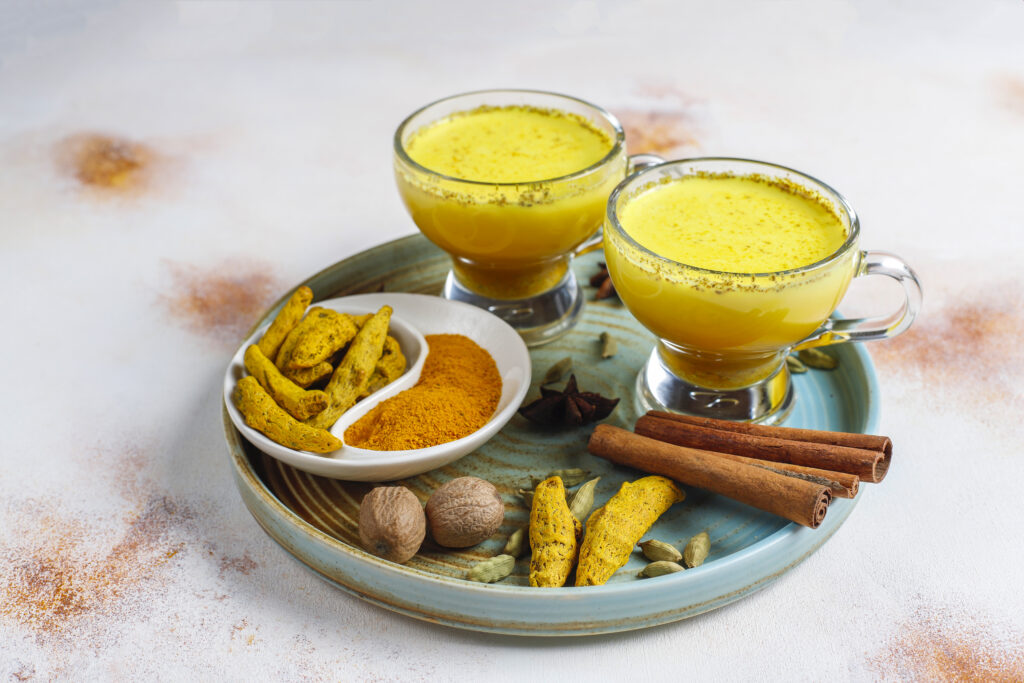
Many people drink turmeric tea to help with inflammatory diseases like arthritis or inflammatory bowel disease.
Turmeric tea may also help:
- Reduce joint pain
- Support immune health
- Improve digestion
This tea is often combined with black pepper to increase curcumin absorption.
Turmeric is also one of the most studied anti-inflammatory herbs used in natural healing.
Chamomile Tea for Inflammation and Relaxation
Chamomile tea is known for its calming effects. Yet it also has anti-inflammatory benefits.
Chamomile contains plant compounds that may help decrease inflammation and promote relaxation.
Chamomile tea promotes relaxation and may help improve sleep quality. Better sleep also helps support overall health and healing.
People drink chamomile tea for several reasons:
- Helps soothe the digestive system
- Supports better sleep
- May help fight inflammation
Chamomile tea is caffeine-free, which makes it a gentle drink for evening use.
Cinnamon Tea and Natural Anti-Inflammatory Compounds
Cinnamon tea is another herbal tea with strong health benefits. Cinnamon contains antioxidant compounds that help reduce inflammation.
These compounds may support heart health and metabolic health.
Cinnamon tea may help:
- Lower blood sugar levels
- Reduce inflammation
- Support immune health
Many tea drinkers enjoy cinnamon tea for its warm taste and natural healing properties.
Some herbal blends combine cinnamon with other herbs to create anti-inflammatory teas that support digestion and energy.
Rosehip Tea and Vitamin-Rich Healing
Rosehip tea is made from the fruit of the rose plant. It is rich in vitamin C and antioxidant compounds.
Rose hip tea may help decrease inflammation and support immune function.
Some research suggests rosehip tea may help people with inflammatory diseases like arthritis.
It may also help reduce joint pain caused by inflammation.
This fruity tea has a bright taste and is often enjoyed hot or as iced tea during warmer months.
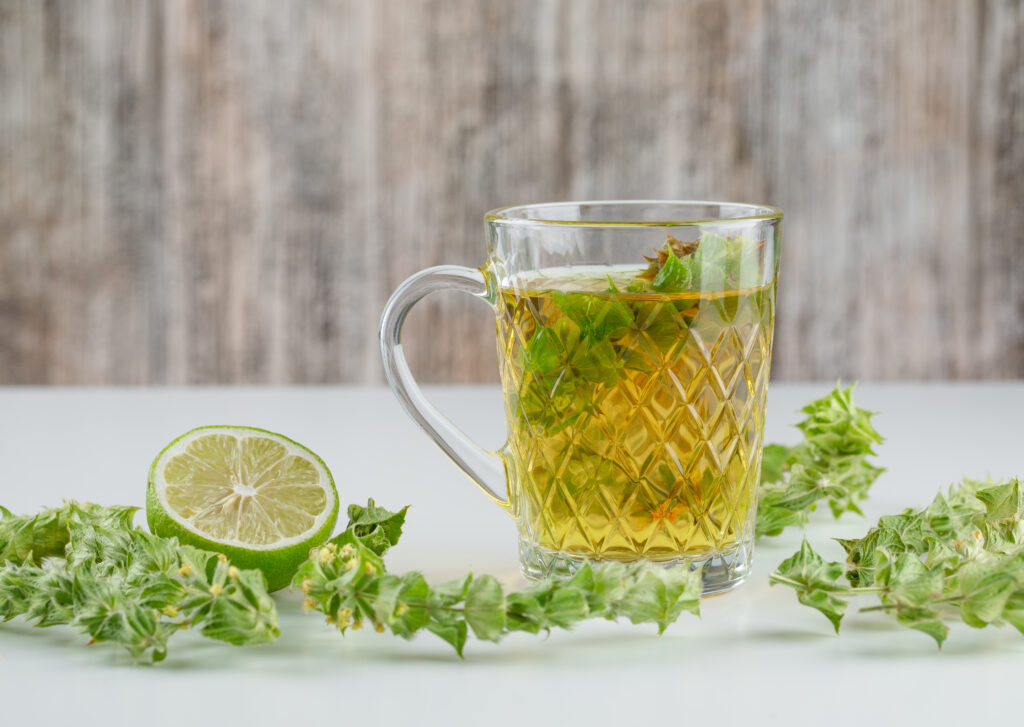
Tulsi Tea (Holy Basil) for Inflammation
Tulsi tea, also known as holy basil tea, is widely used in Ayurvedic herbal medicine.
Holy basil contains anti-inflammatory compounds that help fight inflammation in the body.
Tulsi tea may also help:
- Support immune function
- Reduce stress levels
- Support metabolic health
The calming effects of tulsi tea make it popular among tea drinkers seeking both relaxation and healing.
Fennel Tea and Digestive Support
Fennel tea is commonly used for digestion. The seeds contain compounds that help reduce inflammation in the digestive system.
This tea may help people with digestive discomfort or inflammatory bowel issues.
Fennel tea may also help:
- Reduce bloating
- Support gut health
- Ease digestive inflammation
Many herbal teas combine fennel with other herbs to create blends that support digestive wellness.
White Teas and Gentle Anti-Inflammatory Benefits
White teas come from young leaves of the tea plant. They are lightly processed and contain high antioxidant levels.
These teas contain anti-inflammatory compounds similar to green tea.
White teas may help:
- Reduce inflammation
- Support immune health
- Protect cells from oxidative stress
Because white teas contain less caffeine than black tea, they are often considered a gentle option for daily tea consumption.
Black Tea and Inflammation Support
Black tea also comes from the Camellia sinensis plant. It undergoes full oxidation during processing.
Black tea contains polyphenol compounds that may help fight inflammation.
Drinking black and green tea regularly may help support heart health and reduce inflammatory conditions.
Some studies show black tea may help improve immune function and reduce oxidative stress in the body.
Herbal Tea Alternatives for Daily Wellness
Many people enjoy herbal tea because it supports health without caffeine.
Sip Herbals offers roasted herbal blends that create a tea-like drink with rich flavor.
For example, the Salted Maple Blondie Superfood Tea Bags combine roasted chicory root, carob, and dandelion. These ingredients provide antioxidants and prebiotic fiber that support digestion and overall well-being.
Another option is the Cinnamon Roll Herbal Tea Blend. This blend contains roasted herbs and cinnamon to create a warm drink that supports gut health and calm focus without caffeine.
These herbal blends show how tea can support wellness while still offering comforting flavor.
Tea and Women’s Health
Tea for women often includes herbs that support hormonal balance and wellness.
Certain herbal teas like chamomile, peppermint tea, and raspberry leaf tea are often used to support women’s health.
Some herbal teas may help ease menstrual cramps and promote relaxation.
For women looking to reduce caffeine intake, herbal tea provides a gentle alternative.
Tea also plays a role in many health routines related to reproductive health and metabolic health.
However, pregnant women should always check with a healthcare provider before drinking herbal teas during pregnancy.
For more insight on caffeine and its effects, you can read this article about effects of coffee on women.
How Tea Helps Reduce Inflammation
Tea contains many natural compounds that support healing.
These include:
- Polyphenols
- Flavonoids
- Anti-inflammatory antioxidants
These compounds help the body manage inflammation and protect cells.
Tea may also help improve immune response and metabolic health.
Many teas contain anti-inflammatory herbs that work together to support natural healing.
Regular tea consumption may help fight inflammation and support overall health.
Choosing the Best Tea for Inflammation
The best tea choice depends on your needs.
Different teas provide different health benefits:
- Green tea – strong antioxidant support
- Ginger tea – digestive and anti-inflammatory effects
- Turmeric tea – powerful anti-inflammatory compound
- Chamomile tea – relaxation and sleep support
- Rosehip tea – vitamin-rich immune support
- Tulsi tea – stress reduction and immune health
Many herbal tea blends combine several anti-inflammatory ingredients to provide broader health support.
Tea can be enjoyed hot or iced depending on personal preference.
Conclusion
Tea remains one of the simplest natural drinks for health and healing. Many teas contain compounds that help reduce inflammation and support overall wellness.
Herbal tea blends, green tea, turmeric tea, and ginger tea are among the best tea choices for inflammation.
These drinks contain antioxidant and anti-inflammatory compounds that help protect the body from chronic inflammatory conditions.
Regular tea consumption may help support digestion, immune health, and heart health.
With many types of tea available today, tea drinkers can easily find a blend that supports both flavor and health benefits.
A warm cup of herbal tea can be a gentle daily ritual that supports natural healing and long-term wellness.

Orleatha Smith is a Master Herbalist and cofounder of Sip Herbals, with more than a decade serving the health and wellness community through science grounded, inclusive wellness education. She holds a Master’s Degree in Education, a biology teaching credential, and brings a rare mix of experience as a holistic lifestyle coach, SaaS developer, and organizational development specialist. Her work and insights have been featured in outlets including First for Women Magazine, The Los Angeles Times, and WebMD, alongside podcast and television appearances. Orleatha writes to help readers make practical, evidence informed wellness choices that fit real life.