
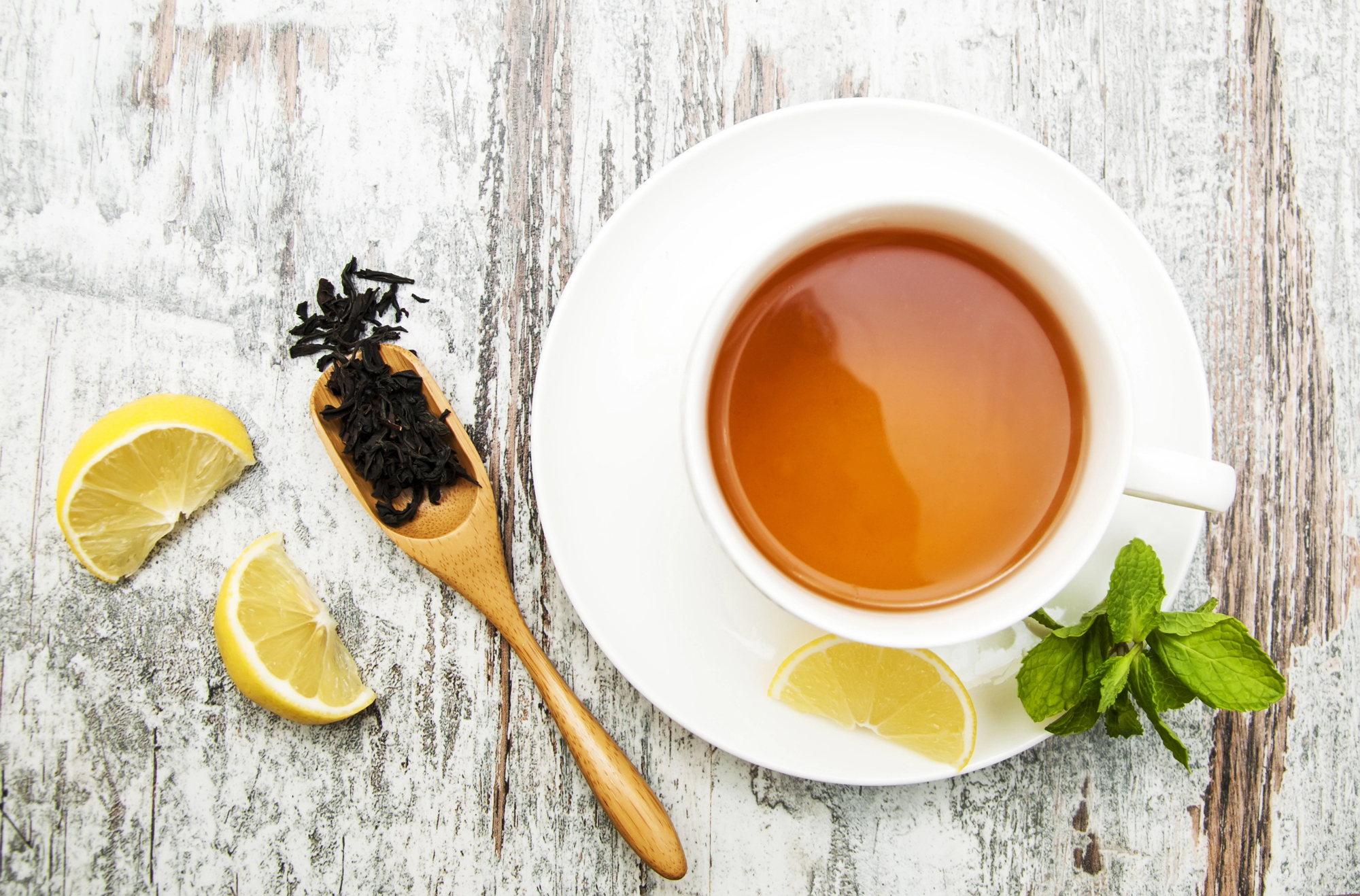
Best Herbal Tea for Sleep Support

A good night’s rest matters. Poor sleep can affect mood, focus, and overall health. Many people now turn to tea as part of a simple nighttime routine. Herbal blends are gentle, easy to prepare, and fit well before bedtime. This guide covers the best tea options that support relaxation and help the body slow down for rest.
You will learn how teas for sleep work, which herbs matter most, and how to use them the right way for better sleep.
Why Tea Helps With Sleep
Tea has been used for rest for a long time. Many herbal tea options are caffeine-free and known for calm effects. Warm liquids also relax the body and signal the brain that it is time to rest.
Some herbs affect receptors in the brain linked to calm feelings. Others support the nervous system and help reduce stress after a long day. A cup of tea before bedtime can feel soothing and comforting.
Herbal blends are not medicines. Still, many people find them helpful as a mild sleep aid, especially when part of a steady routine.
Best Teas for Sleep and Relaxation
Chamomile Tea for Better Sleep

Chamomile is one of the most popular choices for sleep. Chamomile tea contains apigenin, a plant compound that binds to certain brain receptors. These receptors help lower alertness and support sleep.
Studies suggest the effects of chamomile may help people with insomnia and poor sleep patterns. Drinking chamomile tea may help you fall asleep faster and improve rest quality.
Chamomile flowers are used to make this tea. The taste is mild and slightly sweet. Many people enjoy a cup of chamomile as part of their nighttime routine.
Drinking chamomile tea works best when taken as a tea before bed, around 30 minutes earlier. The warm liquid also adds comfort at night.
Valerian Root Tea as a Sleep Aid
Valerian is another well-known herb for sleep. Valerian root affects gamma-aminobutyric acid, a chemical that calms nerve activity. This may help reduce time spent awake at night.
Valerian tea is often used by people with trouble sleeping or a diagnosed sleep disorder. Some research shows valerian may support stay asleep patterns and reduce nighttime waking.
The taste is strong and earthy. Mixing valerian with other herbs can make it easier to drink. Valerian tea is best used in small amounts and not every night.
Lavender Tea for Relaxation and Sleep
Lavender is widely known for its calming scent. Lavender tea may help ease stress and promote a calming effect before sleep. It is often used to reduce tension and worry after a busy day.
Some people drink lavender to reduce anxiety and quiet racing thoughts. This makeshttps://blog.sipherbals.com/wp-login.php?login=graceytheva%40gmail.com&key=CciuBIlXgyBitfstuGaM&action=rp it useful for sleep problems linked to anxiety and depression or a mild anxiety disorder.
Lavender works well in blends. Many sleep teas combine lavender with chamomile or lemon balm for balance.

Lemon Balm Tea to Soothe the Mind
Lemon balm tea supports calm feelings and emotional balance. It is often used to soothe nerves and improve mood. This herb may help relieve stress and support relaxation and sleep.
Lemon balm is helpful for people with poor sleep caused by worry. It may also support people with generalized anxiety disorder when used gently.
The flavor is light and fresh. Lemon balm works well alone or blended with other herbs.

How Herbal Teas Improve Sleep Quality
Many herbal teas for sleep work in simple ways. They calm the nervous system, relax muscles, and help the body prepare for rest. Warm liquids also slow digestion and breathing.
A systematic review and meta-analysis of herbal sleep aids has shown that herbs like chamomile and valerian are linked to improved sleep in some people. Results vary, but many users report improved sleep with steady use.
Tea may help support a restful night’s sleep when paired with good habits. This includes a quiet room, dim lights, and a cool sleep environment.
Tea Before Bed: Timing Matters
Drinking tea at the right time matters. A tea before bedtime works best when taken about 30 to 60 minutes earlier. This gives the body time to relax without causing extra bathroom trips at night.
Avoid caffeine at night. Choose caffeine-free herbal blends only. Black or green tea can disrupt sleep and should not be used at night.
A warm cup of tea can signal the body to slow down. Many people enjoy this as part of a nighttime routine.
Bedtime Teas for Better Sleep
A bedtime tea works best when paired with a steady routine. This means going to bed at the same time each night and limiting screen use.
A bedtime routine might include:
- Dimming lights
- Turning off phones
- Drinking a warm cup
- Reading quietly
These steps support the body’s natural rhythm. Bedtime teas for better rest work best with consistency.
Many of the herbal options available from the Sip Herbals can fit into this calm ritual. Their blends are naturally caffeine-free, so you can enjoy them without worry before rest.
Benefits of Tea for Nighttime Use
The benefits of tea at night go beyond sleep. Herbal blends may:
- Reduce stress
- Support calm feelings
- Help you relax after long days
- Support better sleep without harsh effects
Some people even enjoy warm herbal alternatives to coffee in the evening. Options like the Royal Mocha Superfood Coffee Alternative (Loose Leaf) from Sip Herbals offer a rich, roasted flavor without caffeine. This makes it a soothing drink that won’t keep you awake.
Herbal teas have long been used as herbal remedies for rest. They are gentle and easy to prepare.
Choosing the Best Tea for Your Needs
The best teas for sleep depend on your body and sleep issues.
- Choose chamomile for light sleep trouble
- Use valerian for frequent waking
- Pick lavender for stress-related sleep loss
Some blends include ingredients like chamomile and lavender together. These mixes are gentle and effective for many people.
Sip Herbals also offers cozy flavors that can feel like a treat before bed, such as Cinnamon Roll Superfood Herbal Drink . These options are gentle and calming, making them excellent companions to your sleep routine.
Always check how your body reacts. Use one tea at a time before mixing herbs.
Drinking Tea Safely at Night
Drinking tea at night is safe for most people. Still, moderation matters. One warm cup is enough.
Avoid drinking tea hours before bed if you wake often at night. Also, stop use if stomach upset occurs.
Pregnant or nursing individuals should ask a health expert before using strong herbs like valerian.

Using Loose Leaf Teas for Sleep
Loose leaf blends offer fresher flavor and better quality. You can explore natural options on the Sip Herbals loose leaf teas collection for calming, caffeine-free choices. Many people prefer loose leaf tea for nighttime use because it feels more natural and pure.
Final Thoughts on Herbal Tea for Sleep
Herbal teas have long been used to support rest and calm. Options like chamomile, valerian, and lavender offer gentle support for sleep without harsh effects.
A peaceful night’s sleep often comes from simple habits done daily. Tea can be part of that habit. Choose what works for your body, keep it simple, and enjoy the quiet moments before rest.
Here’s to sweet dreams and a good night’s rest 🌙
Frequently Asked Questions (FAQs)
What is the best tea to drink before bedtime?
The best tea before bedtime is a caffeine-free herbal tea. Options like chamomile, lavender, and valerian are popular because they support relaxation and may help you fall asleep more easily.
Can herbal tea really help you sleep?
Yes, herbal tea may help you sleep by calming the body and mind. Herbs like chamomile and valerian interact with receptors in the brain that support calm feelings and improve sleep quality when used as part of a bedtime routine.
Is chamomile tea good for insomnia?
Chamomile tea is often used by people with insomnia. It contains apigenin, which may promote relaxation and support a restful sleep when taken regularly before bed.
How long before bed should I drink tea?
It is best to drink tea before bed about 30 to 60 minutes earlier. This timing allows the body to relax while reducing the chance of waking up during the night.
Can valerian root tea be used every night?
Valerian root tea is a natural sleep aid, but it is usually best used a few times a week, not every night. Some people use valerian for short periods when dealing with trouble sleeping or a sleep disorder.
Does lavender tea reduce anxiety at night?
Lavender tea may help reduce anxiety and support calm thoughts at night. It is often used by people dealing with stress, anxiety and depression, or difficulty winding down before sleep.
Are sleep teas safe for daily use?
Most sleep teas made with gentle herbs like chamomile or lemon balm are safe for daily use. Always choose blends without caffeine and stop use if you notice discomfort.
Can drinking tea improve sleep quality over time?
Yes, drinking tea as part of a consistent bedtime routine may lead to improved sleep over time. While tea is not a cure, it can support better sleep when paired with good habits.

Orleatha Smith is a Master Herbalist and cofounder of Sip Herbals, with more than a decade serving the health and wellness community through science grounded, inclusive wellness education. She holds a Master’s Degree in Education, a biology teaching credential, and brings a rare mix of experience as a holistic lifestyle coach, SaaS developer, and organizational development specialist. Her work and insights have been featured in outlets including First for Women Magazine, The Los Angeles Times, and WebMD, alongside podcast and television appearances. Orleatha writes to help readers make practical, evidence informed wellness choices that fit real life.