
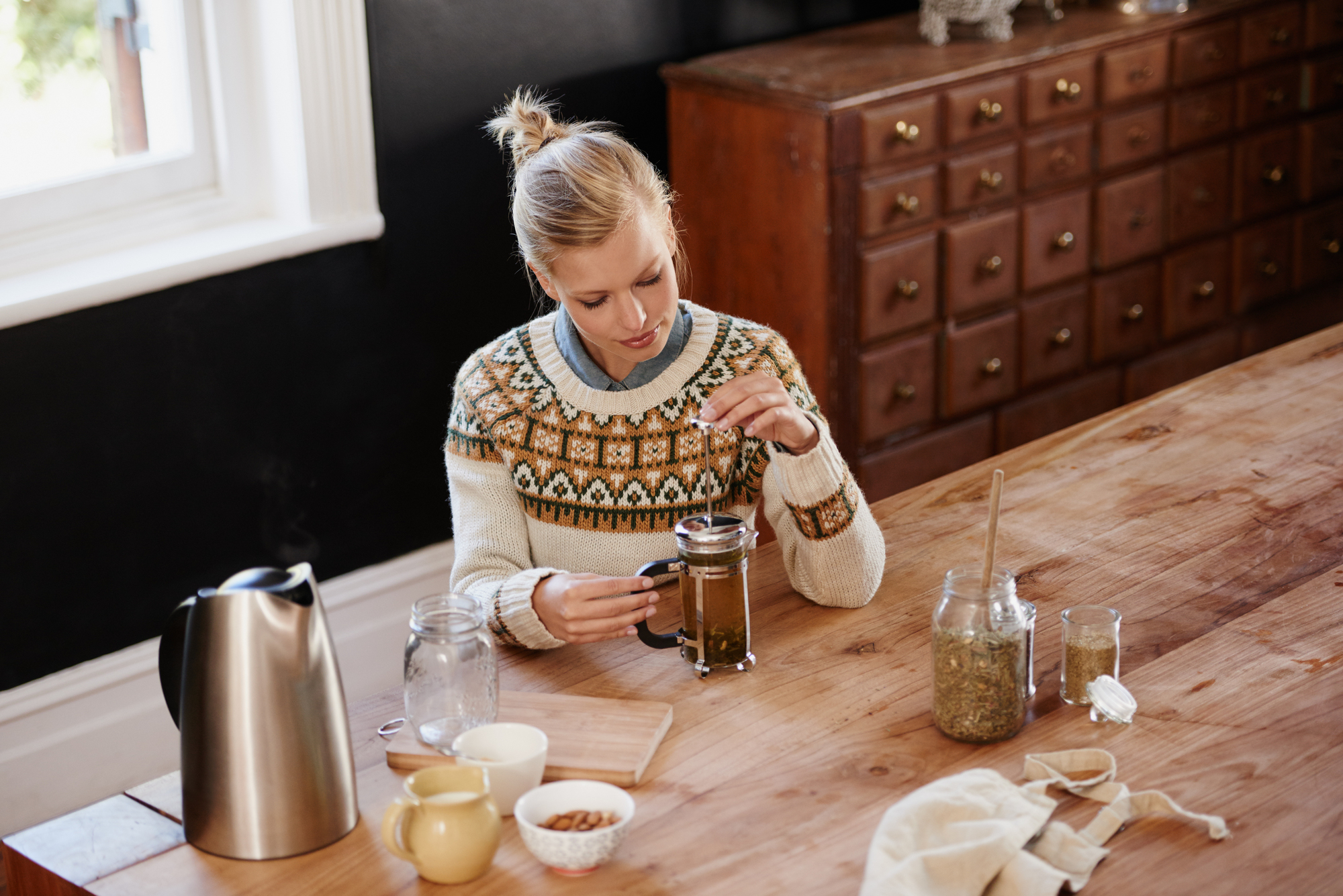
Best Herbal Teas for Women’s Health
Tea has been part of daily life for centuries. Many women drink tea for comfort, taste, and simple health support. A warm cup can relax the body, calm the mind, and offer nutrients from natural plant ingredients. Today, many experts look at herbal tea as a gentle way to support women’s health through different life stages.
Women are often affected by hormonal shifts, menstrual discomfort, sleep issues, and stress. A carefully chosen type of tea may help the body handle these changes. Some teas support digestion, others improve sleep quality, and some help maintain hormonal balance.
Several teas contain antioxidant compounds, minerals, and plant nutrients that support overall health. Research also shows that regular tea consumption may help improve metabolic health, heart health, and daily wellness. Many people prefer organic herbal blends because they are caffeine-free and gentle on the body.
This guide explains the best herbal tea options that support women’s health, their benefits, and when to drink them.
For a broader overview of plant-based teas and their benefits, you can read this guide on health benefits of herbal tea.
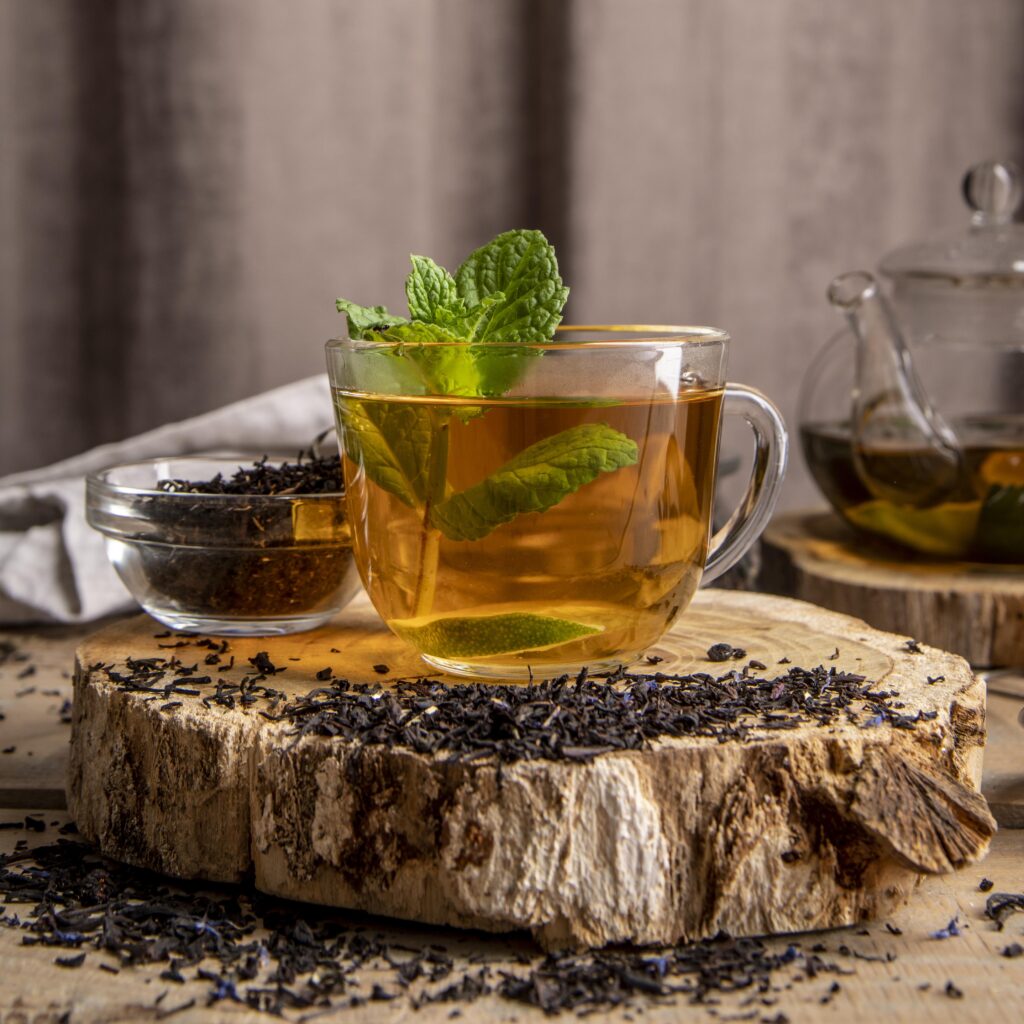
Tea for Women: Why Herbal Tea Matters for Women’s Health
Women’s bodies change across different stages such as menstruation, pregnancy, and menopause. Each stage brings unique health needs. A health tea made with natural herbs can support the body without strong chemicals.
Herbal tea made from flowers, roots, and leaves offers various benefits. Many blends contain plant compounds that help calm the body, improve digestion, and support reproductive health.
Tea supports health in several ways:
- Helps reduce stress and promote relaxation
- Supports hormonal balance
- Helps soothe digestive discomfort
- Improves sleep quality
- Provides antioxidant protection
Tea benefits also depend on the type of tea used. Some teas contain caffeine, while others are caffeine-free and gentle enough for daily use.
Herbal teas like chamomile, peppermint, and ginger have been part of herbal medicines for centuries. Modern research also studies their effects using tools like network pharmacology and clinical reviews.
Chamomile Tea for Relaxation and Sleep
Chamomile is one of the most popular herbal tea choices. Chamomile tea promotes relaxation and is widely used to improve sleep quality.
Chamomile flowers contain plant compounds that interact with receptors in the brain that control calmness and sleep. Many women drink chamomile tea before bedtime because it helps relax the body and support better sleep.
Benefits of chamomile include:
- Helps soothe stress and anxiety
- Supports better sleep
- Helps ease menstrual cramps
- May support digestive comfort
A warm cup of chamomile tea before bed can improve sleep quality and help the body recover from daily stress.
Many organic herbal tea blends available from Sip Herbals include calming ingredients like chamomile designed to support daily wellness without caffeine.
Ginger Tea and Digestive Health
Ginger tea is widely known for its digestive support. Ginger root has been used in traditional herbal medicines for thousands of years.
This tea made from the roots of the ginger plant contains antioxidant and anti-inflammatory compounds. These compounds help soothe nausea, reduce bloating, and support digestion.
Women often drink ginger tea during menstruation because it may reduce menstrual cramps and discomfort. Ginger also helps with nausea, which is why many pregnant women drink mild ginger tea during early pregnancy.
Benefits of ginger tea include:
- Helps soothe stomach discomfort
- May reduce menstrual pain
- Supports digestion
- Helps reduce nausea
More information about this powerful plant can be found in this guide about ginger root benefits.
Some SIP Herbals blends also include ginger as a warming ingredient that supports digestion and daily wellness.
Peppermint Tea for Digestion and Stress Relief
Peppermint tea is another popular herbal tea for women. The natural oils in peppermint help relax digestive muscles and reduce bloating.
Peppermint tea also has a refreshing flavor that many people enjoy after meals. Women who deal with digestive discomfort during menstrual cycles may find relief with peppermint.
Key benefits include:
- Helps soothe digestive issues
- Supports stomach comfort
- Helps reduce bloating
- May relieve mild headaches
Peppermint works as a natural relaxant. Many women drink peppermint tea after dinner to calm the digestive system.
A gentle peppermint tea blend from SIP Herbals can offer a caffeine-free option for evening relaxation.
Spearmint Tea and Hormonal Balance
Spearmint tea has gained attention in research related to women with polycystic ovarian syndrome. Some studies suggest that spearmint tea may help reduce male hormones in women with polycystic conditions.
Lower levels of these hormones may help improve hormonal balance and support reproductive health.
Potential benefits of spearmint tea:
- Supports hormonal balance
- May reduce acne related to hormones
- Helps improve reproductive health
- Provides antioxidant compounds
Many women drink spearmint tea regularly as part of a natural routine that supports hormone health.
Hibiscus Tea for Heart Health
Hibiscus tea has a bright red color and a slightly tart flavor. This tea contains antioxidant compounds that help support heart health.
Research shows hibiscus tea may help lower blood pressure and support metabolic health.
Benefits of hibiscus tea include:
- Rich in antioxidants
- Supports heart health
- Helps improve overall health
- Provides potassium and other minerals
Some studies suggest hibiscus tea may also help lower blood sugar levels and support healthy circulation.
Women who enjoy fruity tea flavors often choose hibiscus tea for daily wellness.
Raspberry Leaf Tea for Reproductive Health
Red raspberry leaf tea has been used for centuries to support reproductive health. Many women drink raspberry leaf tea during pregnancy preparation or later pregnancy stages.
Red raspberry leaf contains nutrients and plant compounds that may support uterine muscle health.
Benefits include:
- Supports reproductive health
- Helps prepare the body for childbirth
- Provides nutrients including potassium
- May help reduce menstrual discomfort
Some midwives recommend raspberry leaf tea for pregnant women during later pregnancy stages, though consultation with a healthcare provider is always important.
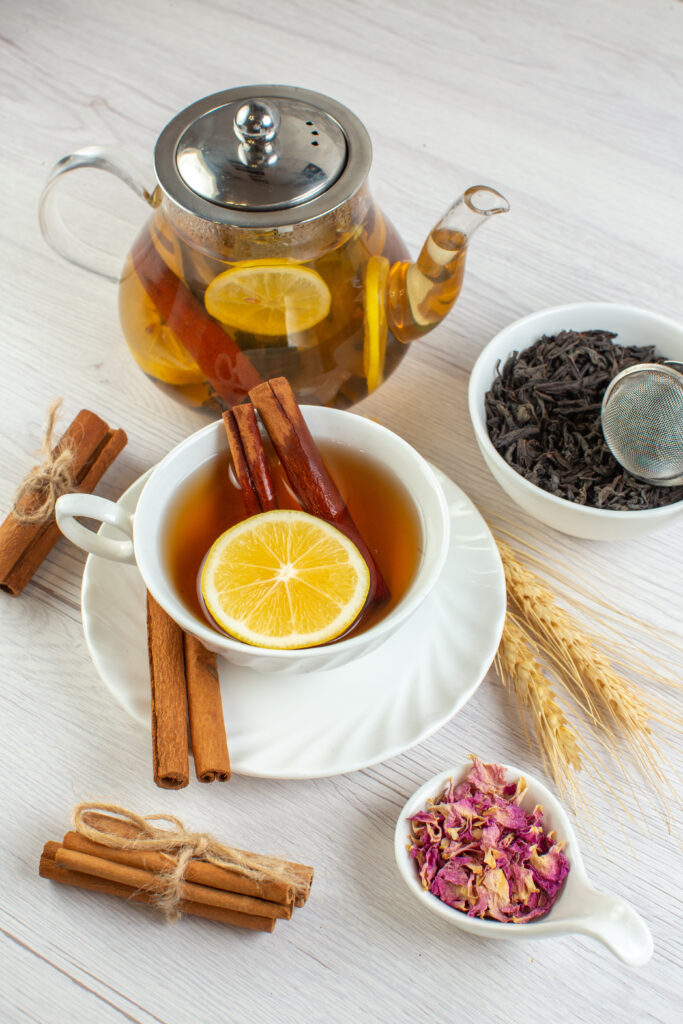
Raspberry leaf blends are also available in organic herbal tea collections focused on women’s wellness.
Marjoram Tea and Hormone Support
Marjoram tea is less common but still valued in herbal traditions. This tea may help regulate hormonal patterns in some women.
Some studies suggest marjoram tea may support insulin balance and reproductive health in women with hormonal concerns.
Potential benefits include:
- Helps support hormonal balance
- Supports metabolic health
- May improve reproductive health
Women looking for gentle plant-based support often include marjoram tea in their herbal routine.
Green Tea and Antioxidant Support
Green tea stands out as one of the most researched teas in the world. It is made from tea leaves of the Camellia sinensis plant.
Unlike herbal tea, green tea contains caffeine. Still, moderate consumption of green tea provides powerful antioxidant compounds.
The most well-known compound is EGCG (epigallocatechin gallate). This antioxidant helps protect cells from damage and supports metabolic health.
Studies show the consumption of green tea can reduce inflammation and support heart health. Research also suggests green tea protects heart health by helping lower blood pressure and cholesterol levels.
Some benefits of green tea include:
- Rich antioxidant protection
- Supports metabolic health
- Helps improve brain focus
- May support bone health
Green and black tea both contain caffeine, so they should be consumed in moderation.
Many women replace coffee with tea for a gentler energy boost. For more information about caffeine and women’s health, read this article on effects of coffee on women.
Oolong Tea and Metabolic Support
Oolong tea sits between green and black tea in oxidation level. This type of tea contains moderate caffeine and antioxidants.
Research suggests oolong tea may help improve metabolic health and support weight management.
Benefits of oolong tea include:
- Supports metabolism
- Provides antioxidant protection
- Helps improve energy levels
Moderate tea consumption is key when drinking teas that contain caffeine.
Black Tea and Daily Energy
Black tea is another tea made from Camellia sinensis leaves. It contains more caffeine than green tea but still less than coffee.
Black tea provides antioxidants that support heart health and general wellness.
Benefits include:
- Supports focus and energy
- Provides antioxidants
- Supports heart health
Some women prefer black tea in the morning as a gentle replacement for coffee.
Herbal Teas During Pregnancy
Many expecting mothers look for natural ways to support health during pregnancy. Certain herbal teas are safe when consumed in moderation.
Examples of herbal teas during pregnancy include:
- Ginger tea for nausea
- Raspberry leaf tea later in pregnancy
- Mild peppermint tea for digestion
Still, not all herbal teas are safe. Certain herbal teas may interact with medications or affect pregnancy.
Pregnant women should always consult a healthcare provider before adding new herbal medicines or teas to their routine.
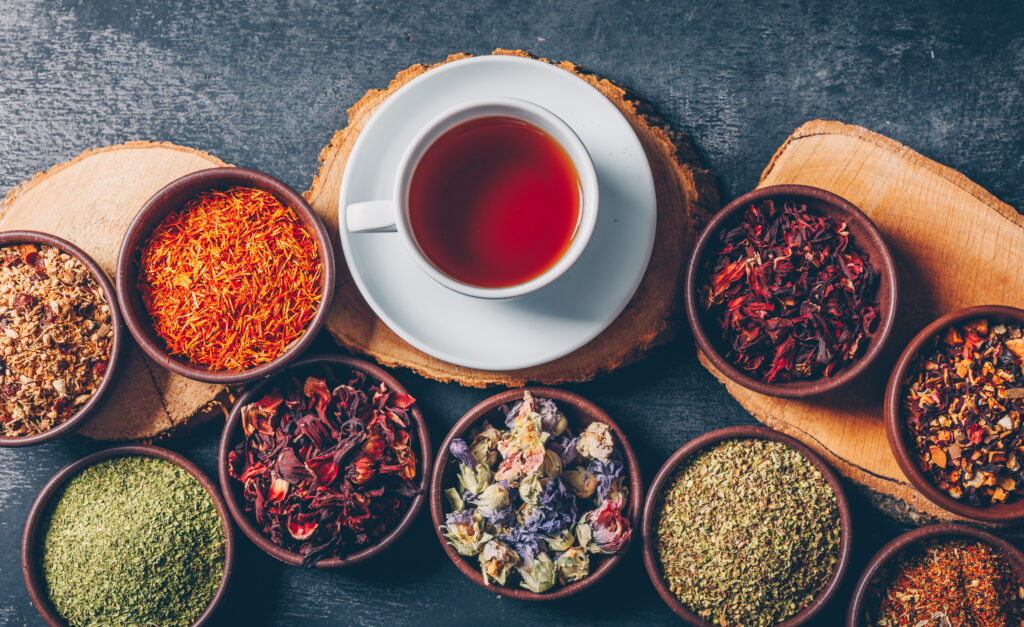
Tea Safe Habits for Women
Tea may offer many benefits, but safe habits are important. Tea safe consumption helps avoid side effects and ensures the best results.
Helpful guidelines include:
- Drink tea regularly but in moderation
- Choose high-quality tea bags or loose leaves
- Prefer organic herbal blends when possible
- Avoid too much caffeine
- Speak with a healthcare provider when dealing with specific health conditions
Many people choose organic herbal blends because they are considered safe and free from artificial additives.
SIP Herbals focuses on plant-based tea blends designed to support better health and daily wellness.
How Tea Supports Women’s Health and Wellness
Tea supports health in many simple ways. Natural plant ingredients contain nutrients and compounds that support body balance.
Regular consumption of tea may help:
- Improve overall wellness
- Support reproductive health
- Improve sleep quality
- Reduce stress
- Support heart health
A systematic review and meta-analysis published in nutrition research journals suggests that regular tea consumption may improve metabolic health and lower risk of chronic health conditions.
Women’s health needs change with age. Herbal teas offer a simple way to support wellness across these stages.
Choosing the Right Type of Tea
The best tea depends on individual health needs.
Some women choose chamomile tea for relaxation. Others prefer ginger tea for digestion or peppermint tea for stomach comfort.
A helpful approach is to rotate different herbal teas during the week. This provides a wide range of plant nutrients.
Example routine:
- Morning: green tea or black tea
- Afternoon: hibiscus tea or peppermint tea
- Evening: chamomile tea for relaxation
Listening to the body and choosing teas that support personal health needs is important.
Final Thoughts
Tea has supported women’s health for generations. From chamomile tea that promotes relaxation to ginger tea that supports digestion, many options exist.
Herbal teas are safe for most people when consumed in moderation. They offer a simple way to support daily wellness and improve overall health.
Women often face unique health challenges including hormonal shifts, menstrual discomfort, and menopause. Natural teas can help the body handle these changes more comfortably.
Choosing high-quality blends also matters. Brands like Sip Herbals offer organic herbal tea options made with natural ingredients designed to support women’s health.
A warm cup of tea each day can become a small yet powerful habit for better health and wellness.

Orleatha Smith is a Master Herbalist and cofounder of Sip Herbals, with more than a decade serving the health and wellness community through science grounded, inclusive wellness education. She holds a Master’s Degree in Education, a biology teaching credential, and brings a rare mix of experience as a holistic lifestyle coach, SaaS developer, and organizational development specialist. Her work and insights have been featured in outlets including First for Women Magazine, The Los Angeles Times, and WebMD, alongside podcast and television appearances. Orleatha writes to help readers make practical, evidence informed wellness choices that fit real life.