

Effects of Coffee on Women: Benefits and Side Effects of Coffee Drinking
Coffee drinking is more than a ritual — it’s a lifestyle, an energizing boost, and for many women, a moment of calm in a busy day. But what are the effects of coffee on women? Can coffee really support healthy aging, and how do you balance the pros and cons of coffee for women?
In this comprehensive guide, we’ll explore health benefits of drinking coffee, caffeine side effects in women, risks of too much caffeine, and even herbal alternatives. You’ll learn how to drink coffee safely, maximize potential health benefits, and make informed choices whether you enjoy one cup or multiple cups a day.

1. What Are the Main Effects of Coffee on Women?
The effects of coffee on women extend far beyond a simple energy boost. Coffee’s main active compound, caffeine, blocks adenosine — a neurotransmitter that promotes sleep and relaxation. By reducing adenosine activity, caffeine increases alertness, focus, and even mood.
Key effects include:
- Enhanced cognitive function and short-term memory
- Increased metabolism and fat oxidation
- Temporary improvement in athletic performance
Even one cup of coffee can trigger these effects, but cups per day and caffeine intake greatly influence the intensity. For women sensitive to caffeinated beverages, even two cups of coffee may produce jitteriness, while others tolerate three cups of coffee or more.
2. What Are the Health Benefits of Drinking Coffee for Women?
The health benefits of drinking coffee are well-documented in recent studies. Coffee contains antioxidants and polyphenols that help fight oxidative stress, supporting coffee linked to healthy aging.
Some scientifically supported benefits include:
- Lower risk of type 2 diabetes due to improved glucose metabolism
- Neuroprotection: lower risk of Alzheimer’s disease and Parkinson’s disease
- Heart health support: moderate consumption linked to reduced risk of coronary heart disease
- Potential support against certain chronic diseases and metabolic syndromes
Coffee drinkers often show lower inflammation markers, possibly due to the bioactive compounds found in coffee beans. Even coffee per day was associated with better metabolic and cognitive outcomes in women over 50.
For women looking to reduce caffeine but keep benefits, explore The Best Coffee Alternatives: Caffeine-Free, Nourishing, and Gut-Friendly.

3. How Does Caffeine Affect Hormones and the Female Body?
Caffeine side effects in women often relate to hormone interactions. Caffeine can influence sex hormone levels, particularly estrogen, which affects mood, bone health, and metabolic functions.
Other effects include:
- Temporary increases in cortisol, the stress hormone
- Potential slight changes in cholesterol levels
- Sleep disturbances when caffeine is consumed late in the day
Women metabolize caffeine differently depending on menstrual cycle phase, oral contraceptive use, or pregnancy. Even moderate coffee can temporarily increase alertness and metabolism, but excessive caffeine consumption may lead to side effects of too much caffeine women should monitor.
4. How Much Coffee Is Too Much Coffee for Women?
Most experts suggest up to 400 milligrams of caffeine per day is safe — roughly three to four cups of coffee. But exceeding this can cause:
- Insomnia or disrupted sleep patterns
- Nervousness and anxiety
- Rapid heartbeat or palpitations
- Digestive discomfort or acid reflux
For sensitive women, even two cups of coffee can trigger these symptoms. Pregnant or breastfeeding women should limit intake to 200 milligrams per day, roughly one cup of coffee.
Learn how to enjoy coffee without upsetting your stomach in Is Coffee Acidic? Tips to Brew Balanced Coffee.
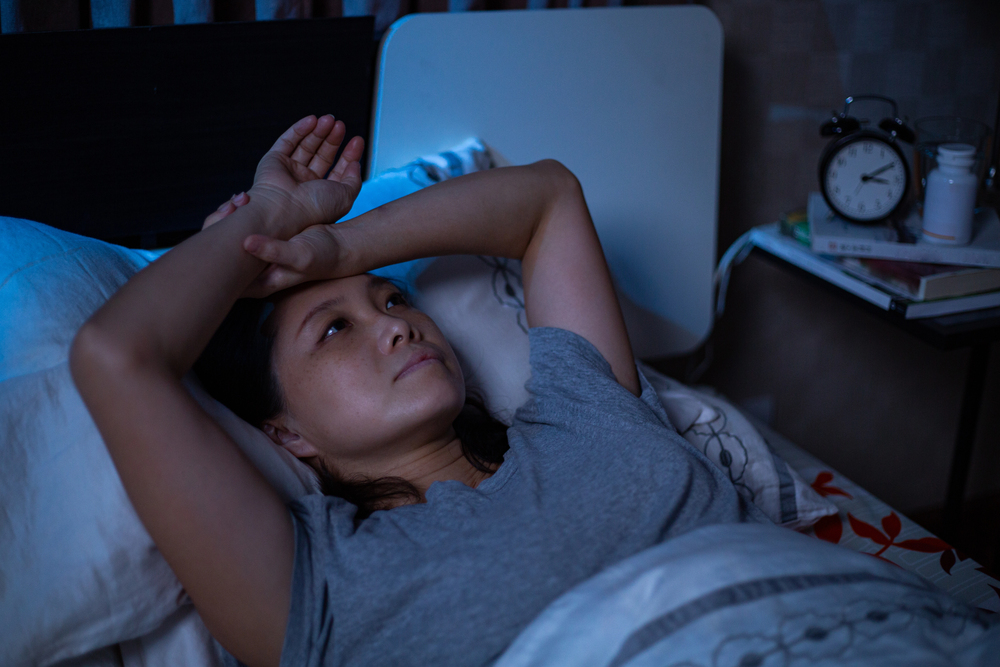
5. What Are the Negative Effects of Coffee on Women?
The negative effects of coffee on women increase with much coffee or high caffeine intake. Potential risks include:
- Anxiety, irritability, or nervousness
- Heart palpitations
- Gastrointestinal discomfort
- Bone density concerns if calcium intake is low
- Potential sleep disturbances
Extra cups of coffee beyond moderate levels can lead to dependency and withdrawal, including headaches, fatigue, or mood swings. Recognizing personal caffeine tolerance is crucial.
6. Is Decaf or Decaffeinated Coffee a Healthier Option?
Decaf coffee or decaffeinated coffee can reduce caffeine-related side effects while still providing antioxidants. Key considerations:
- Decaf coffee still contains trace caffeine
- Some decaf processes may reduce polyphenols
- Herbal alternatives may provide similar flavor with zero caffeine
Compare the health impact of decaf vs herbal coffee in Decaf vs Coffee Alternatives: Which One’s Actually Better for You?.
7. Herbal Alternatives: Are They Better for Women’s Health?
Herbal coffee alternatives, made from roasted chicory, dandelion, or carob, offer:
- Zero caffeine, reducing caffeine side effects in women
- Digestive support and gentler impact on acid reflux
- Roasted flavors similar to coffee, preserving ritual
These options are especially helpful for women who want the health benefits of drinking coffee without disrupting sleep or hormones.
8. Should Certain Women Limit or Avoid Caffeine Consumption?
Certain populations should reduce or avoid caffeine:
- Pregnant or breastfeeding women — max 200 milligrams per day
- Women with anxiety, sleep issues, or heart conditions
- Those with digestive issues like GERD or reflux
For these groups, herbal alternatives are a safe and enjoyable option.
Learn pregnancy-safe swaps in Caffeine-Free Coffee Alternatives for Pregnancy.

9. Actionable Tips for a Healthier Coffee Ritual
☕ Adjust Coffee Drinking Habits
- Pair with meals to reduce acid
- Limit coffee intake to mornings
- Try cold brew or dark roast to minimize acidity
🌿 Introduce Herbal Coffee Alternatives
- Swap one coffee a day for herbal blends
- Combine coffee with herbal ingredients as transition
- Check The Best Coffee Alternatives for recipes
💧 Support Holistic Health
- Hydrate and maintain a healthy diet
- Pair beverages with protein or healthy fats
- Prioritize sleep — caffeine should complement your lifestyle
Key Takeaways: Effects of Coffee on Women
- Coffee drinking in moderation supports cognitive and metabolic health.
- Three cups of coffee daily is moderate; five cups of coffee may cause side effects of too much caffeine women.
- Decaf coffee is an option, but herbal coffee alternatives may be gentler.
- Pregnant women and sensitive individuals should limit caffeine.
- Coffee linked to healthy aging works best when paired with a balanced healthy diet and active lifestyle.

Orleatha Smith is a Master Herbalist and cofounder of Sip Herbals, with more than a decade serving the health and wellness community through science grounded, inclusive wellness education. She holds a Master’s Degree in Education, a biology teaching credential, and brings a rare mix of experience as a holistic lifestyle coach, SaaS developer, and organizational development specialist. Her work and insights have been featured in outlets including First for Women Magazine, The Los Angeles Times, and WebMD, alongside podcast and television appearances. Orleatha writes to help readers make practical, evidence informed wellness choices that fit real life.