

Healthy Alternatives to Coffee for Energy That Actually Work (Without the Caffeine Jitter)
If you rely on regular coffee to power through your mornings but struggle with the caffeine jitter, afternoon crashes, or trouble sleeping, you’re not alone. Millions of people use coffee for an energy boost, yet many are now searching for a healthier coffee alternative that supports steady energy levels without the unwanted side effects.
This comprehensive guide explores healthy alternatives to coffee that truly work — including options with less caffeine and completely caffeine-free choices. You’ll discover drinks that help you stay energized without overstimulation, support overall health, and even mimic the rich taste of your favorite coffee. If you want an energy boost without the crash, this article will show you exactly how to get it.
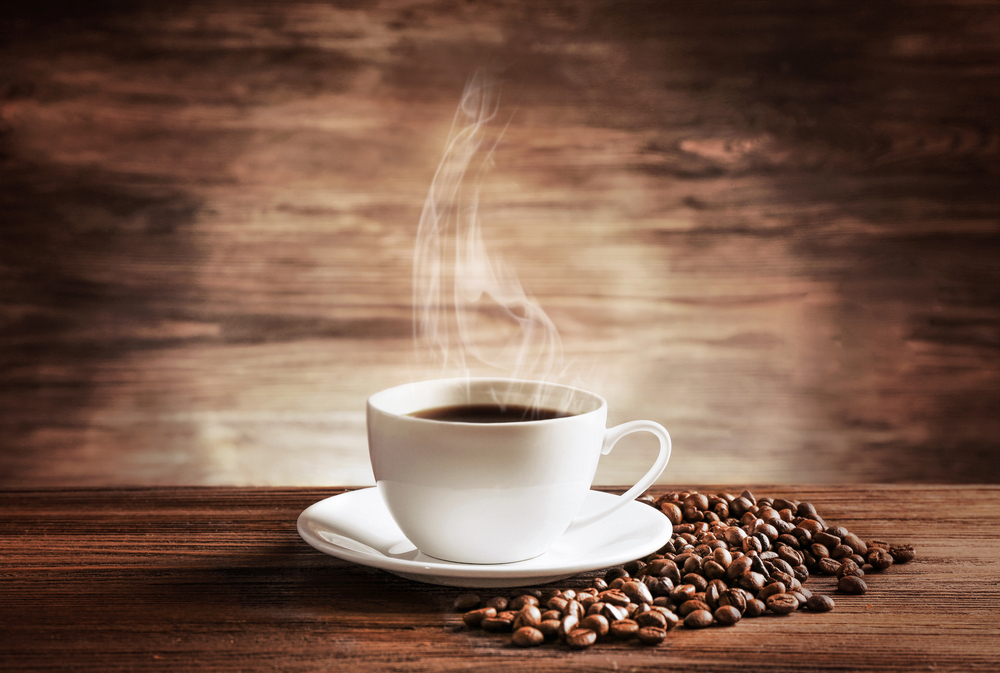
Why Look for a Coffee Alternative Instead of Regular Coffee
Coffee contains significant caffeine content. While caffeine for an energy boost works quickly, too much caffeine can create dependency. The caffeine of a cup of brewed coffee can range widely depending on preparation, but many servings contain 80–120 milligrams of caffeine per cup. If you’re drinking multiple cups of coffee a day, your total caffeine intake can add up fast.
Although coffee can help with alertness and even weight management in some people, excessive caffeine affects the nervous system. It may increase stress and anxiety, disrupt sleep, and cause digestive discomfort. Some individuals become sensitive to caffeine over time, noticing heart palpitations, jitter, or crashes that leave them feeling worse than before.
If you want to stop drinking coffee — or simply reduce your caffeine intake — there are many natural ways to increase energy without relying solely on stimulants.
11 Healthy Alternatives to Coffee That Actually Boost Energy
Below are practical and enjoyable coffee substitutes that provide a healthy energy boost — some with gentler stimulation, others completely caffeine-free coffee options.
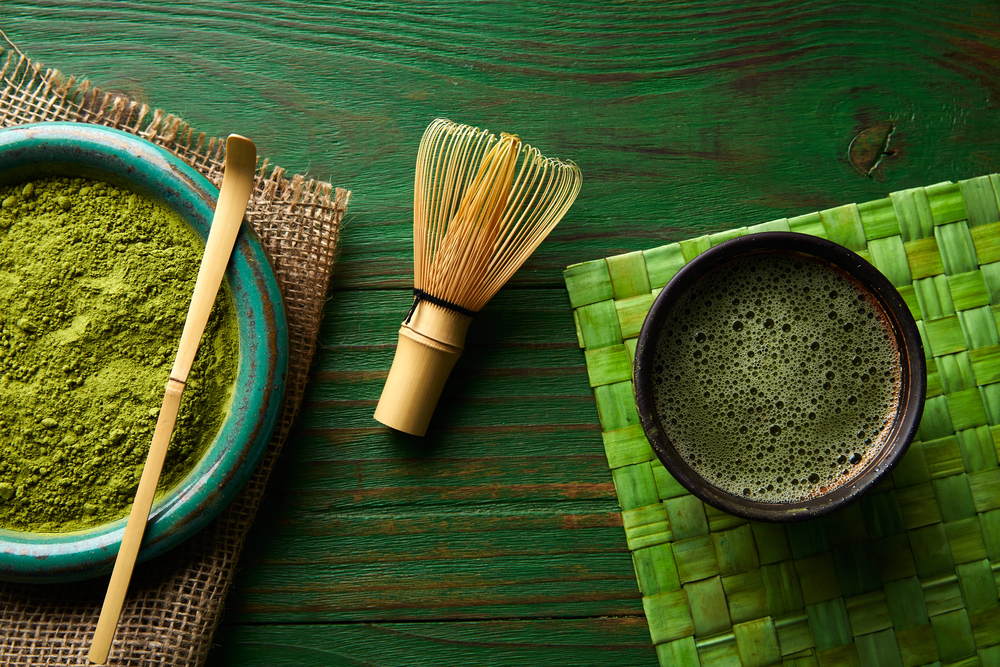
1. Matcha – Calm Focus With Sustained Energy
Matcha is a powdered form of green tea made from whole tea leaves. Unlike traditional green tea, you consume the entire leaf, meaning a more concentrated source of antioxidant compounds.
Matcha does contain caffeine, but its unique pairing with the amino acid L-theanine changes how caffeine affects the body. Instead of a sharp spike, you get sustained energy that may help boost your energy levels for several hours. This smoother caffeine boost is one reason matcha has become a popular coffee alternative.
Why matcha works:
- Rich in antioxidants
- Provides steady energy levels
- Contains less caffeine than regular coffee
- May support heart health
If you’re transitioning from drinking coffee, matcha is an excellent first step toward less caffeine while still enjoying a morning brew ritual.
2. Green Tea – Gentle Stimulation With Powerful Health Benefits
Green tea contains caffeine, but far less than coffee. The caffeine per cup is moderate, making it ideal if you want less caffeine but still need mental clarity.
Green tea is rich in antioxidants that support overall health outcomes and may help regulate blood sugar. Because it delivers a mild energy boost without overstimulation, many people find they can stay energized without the afternoon crash that often follows caffeinated coffee.
Replacing coffee to get a calmer start to your day with green tea is one of the simplest shifts you can make.
3. Yerba Mate – Balanced Energy Without the Cras
Yerba mate is a traditional South American herbal drink that provides moderate amounts of caffeine. It sits somewhere between coffee and tea in terms of stimulation.
Many people report that yerba mate delivers a boost of energy without the intense jitter associated with coffee beans. It is also rich in antioxidants and nutrients that help support energy levels naturally.
If caffeine affects you strongly, yerba mate may feel smoother than regular coffee while still helping you increase energy.
4. Mushroom Coffee – Adaptogenic Support With Half the Caffeine
Mushroom coffee blends functional mushrooms with ground coffee or herbal bases. Many versions contain half the caffeine of standard coffee, while others are completely caffeine-free.
Adaptogenic mushrooms help the body better manage stress and anxiety. Rather than depending purely on caffeine content, mushroom coffee works by supporting resilience and sustained energy.
If you want caffeine without the crash — or a step toward energy without stimulants — mushroom coffee can help boost energy levels more gently than traditional coffee.
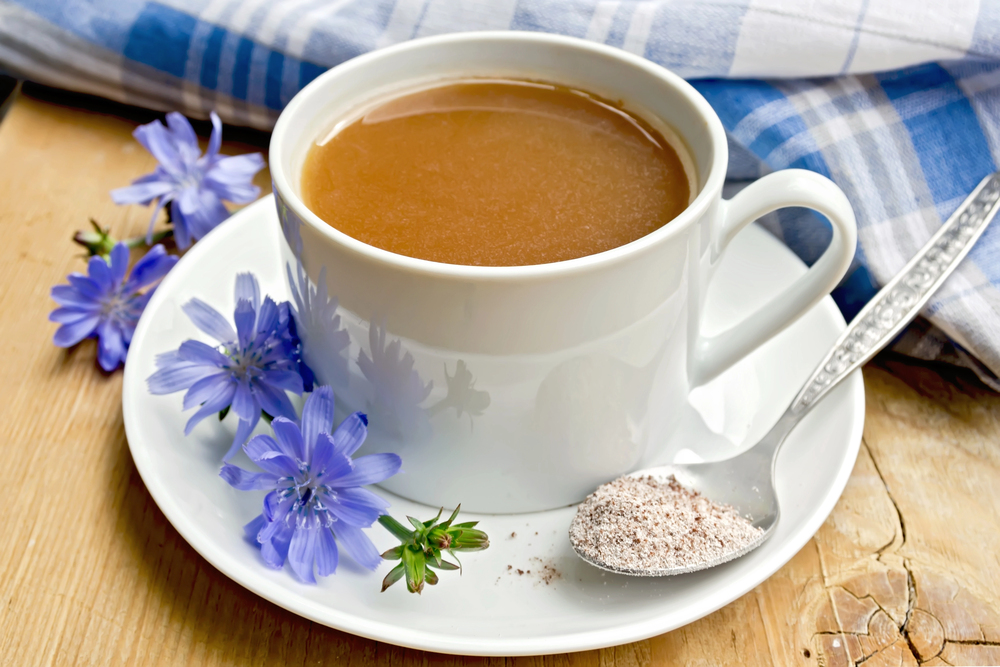
5. Chicory Coffee – Rich Flavor Without Caffeine
Chicory coffee is made from roasted chicory root and tastes surprisingly similar to regular coffee. Unlike coffee beans, it contains zero caffeine content.
Because it is caffeine-free coffee, chicory allows you to enjoy the comfort of a bold, roasted beverage without worrying about caffeine intake. Many people who want to stop drinking coffee choose chicory as their favorite coffee replacement.
A premium option is the Signature Roast Superfood Coffee Alternative from Sipher Herbals. This roasted blend combines chicory root, dandelion root, and carob to create a rich flavor similar to regular coffee — completely caffeine-free.
6. Dirty Chai Superfood Blend – Spiced Energy Without the Side Effects
If you enjoy a bold chai latte, the Dirty Chai Superfood Coffee Substitute from Sipher Herbals offers warming spices blended with roasted roots.
This caffeine-free blend supports digestion and provides antioxidant-rich ingredients that help boost your energy levels without the side effects of caffeine. Enjoy it as a latte with oat milk for a creamy, satisfying drink that delivers energy without overstimulation.
It’s ideal if you love spiced flavors but want an alternative to coffee that won’t disrupt your sleep.
7. French Vanilla Herbal Coffee Alternative – Comfort Without Stimulatio
For those who crave flavored coffee, the French Vanilla Superfood Coffee Alternative delivers sweetness and roasted depth — without caffeine.
This option supports overall health using roasted herbal ingredients and helps you stay energized without relying on caffeine for an energy boost.
It’s perfect if you’re sensitive to caffeine but still want that cozy, dessert-like morning ritual.
8. Cinnamon Roll Superfood Blend – Sweet Yet Balanced
The Cinnamon Roll Superfood Coffee Alternative provides warm cinnamon spice with roasted herbal richness.
Because it’s caffeine-free, you avoid jitter and crash while still enjoying a satisfying morning brew.
9. Royal Mocha Superfood Coffee Alternative – Chocolatey and Energizin
For mocha lovers, the Royal Mocha Superfood Coffee Alternativ delivers a chocolate-forward profile using roasted chicory and carob.
It tastes indulgent yet supports energy without caffeine.
If you’re trying to reduce caffeine but don’t want to give up flavor, this is a satisfying solution.
10. Turmeric Latte – Anti-Inflammatory Energy Support
A turmeric latte blends turmeric, warming spices, and milk (often oat milk). Though caffeine-free, turmeric supports circulation and overall health.
This golden drink provides energy without stimulants and makes an excellent evening option if you want to stay energized without affecting sleep.

11. Black Tea – A Moderate Middle Ground
Black tea contains more caffeine than green tea but still less than coffee. If you’re not ready to eliminate caffeine entirely, black tea offers a manageable level of coffee-like stimulation.
With fewer milligrams of caffeine than a strong cup of coffee, it may reduce jitter while still delivering a boost of energy.
Frequently Asked Questions About Coffee Alternatives
Is Regular Coffee Bad for You?
Moderate coffee consumption and health research suggests that 1–2 cups of coffee a day may be fine for many people. However, exceeding 3–4 cups of coffee a day may increase stress and anxiety for some.
If you experience sleep disruption or jitter, your caffeine intake may be too high.
How Much Caffeine Is Too Much?
Experts often recommend limiting intake to around 400 milligrams of caffeine daily. However, some individuals feel side effects with much less caffeine.
Switching to less caffeine beverages like green tea, matcha, or caffeine-free coffee options can help reduce overstimulation.
Can You Get an Energy Boost Without Caffeine?
Yes. Sustainable energy comes from:
- Balanced blood sugar
- Proper hydration (it’s important to drink water regularly)
- Quality sleep
- Nutrient-rich foods
- Adaptogenic herbs
Caffeine isn’t the only way to boost your energy levels.
Final Takeaways: Healthy Energy Without the Crash
If you want to stop drinking coffee or simply reduce dependence on stimulants, there are many healthy alternatives to coffee available.
Most Important Things to Remember:
- Regular coffee contains high caffeine levels that may cause jitter and crashes
- Matcha and green tea provide sustained energy with less caffeine
- Mushroom coffee offers adaptogenic support with reduced stimulation
- Chicory coffee and Sipher Herbals blends provide caffeine-free coffee enjoyment
- Turmeric latte and herbal drinks support energy without the side effects of caffeine
- Reducing caffeine intake may improve energy levels, sleep, and overall health
- You can stay energized without relying entirely on caffeine
Switching to a better coffee alternative doesn’t mean sacrificing flavor or ritual. With the right blend — especially from Sipher Herbals — you can enjoy a rich, satisfying brew that supports balanced, sustainable energy every day.

Orleatha Smith is a Master Herbalist and cofounder of Sip Herbals, with more than a decade serving the health and wellness community through science grounded, inclusive wellness education. She holds a Master’s Degree in Education, a biology teaching credential, and brings a rare mix of experience as a holistic lifestyle coach, SaaS developer, and organizational development specialist. Her work and insights have been featured in outlets including First for Women Magazine, The Los Angeles Times, and WebMD, alongside podcast and television appearances. Orleatha writes to help readers make practical, evidence informed wellness choices that fit real life.